
The Influence of Foreign Capital on Ural Industry
Imagine a vast, rugged mountain range stretching across the heart of Russia, rich in minerals and natural resources. This is the Ural region, a land that has long been a cornerstone of Russia’s industrial prowess. But what transformed the Urals into an industrial powerhouse? The answer lies in the infusion of foreign capital and expertise during the 19th century.
The Dawn of Industrialization in the Urals
In the early 1700s, Russia was a predominantly agrarian society, with limited industrial activity. However, the reign of Peter the Great marked a turning point. Faced with the need to supply his military campaigns, particularly during the Great Northern War (1700–1721), Peter sought to establish a domestic arms industry. This led to the development of metallurgical centers in regions like Olonets and Tula, which were conveniently located near the fronts and the capitals, Moscow and the newly founded St. Petersburg. These centers became the cradle of Russia’s burgeoning industrial sector. ([link.springer.com](https://link.springer.com/referenceworkentry/10.1007/978-3-030-92679-3_29-1?utm_source=openai))
The Ural Mining Civilization
By the 1720s, attention shifted eastward to the Ural Mountains. The Urals offered high-quality iron and copper ores, abundant forests for charcoal production, and swift rivers ideal for powering bellows and hammers. These natural advantages made the region a prime candidate for industrial development. The Ural mining civilization, as it came to be known, saw the establishment of numerous mining and metallurgical plants, transforming the area into a global leader in iron and copper production. ([en.wikipedia.org](https://en.wikipedia.org/wiki/Ural_mining_civilization?utm_source=openai))
The Role of Foreign Capital
While domestic efforts laid the foundation, foreign capital played a pivotal role in accelerating industrial growth in the Urals. By the late 19th century, Russia had become Europe’s largest debtor nation, with foreign investments pouring in, particularly from France and Britain. These investments were crucial in funding new plants and factories in cities like St. Petersburg, Moscow, and Kiev. By 1900, around half of Russia’s heavy industries were foreign-owned, yet the country had become the world’s fourth-largest producer of steel and its second-largest source of petroleum. ([alphahistory.com](https://alphahistory.com/russianrevolution/russian-industrialisation//?utm_source=openai))
In the Urals, foreign entrepreneurs and engineers were instrumental in introducing advanced technologies and management practices. For instance, in the 18th century, up to 600 German metallurgists worked at the factories of the Yekaterinburg Department. Their expertise was vital in developing efficient smelting techniques and improving product quality. ([en.wikipedia.org](https://en.wikipedia.org/wiki/History_of_metallurgy_in_the_Urals?utm_source=openai))
Notable Foreign Investments and Their Impact
Several foreign investments left a lasting mark on the Ural industry:
- French and Belgian Capital: By the turn of the 20th century, joint-stock companies with French, Belgian, and British capital had established themselves in the Perm Governorate, a major industrial hub in the Urals. These investments led to the creation of large-scale mining and metallurgical enterprises, significantly boosting production and employment. ([en.wikipedia.org](https://en.wikipedia.org/wiki/Perm_Governorate?utm_source=openai))
- British Investment in Yuzovka: Between 1869 and 1872, Englishman John Hughes built the Yuzov Metallurgical Plant in Yuzovka (now Donetsk, Ukraine). This plant became a major industrial center, contributing significantly to the region’s economic development. ([en.wikipedia.org](https://en.wikipedia.org/wiki/Economy_of_the_Russian_Empire?utm_source=openai))
The Legacy of Foreign Influence
The infusion of foreign capital and expertise in the 19th century left an indelible mark on the Ural industry. It not only accelerated industrialization but also introduced new technologies and management practices that laid the groundwork for future growth. The Urals’ transformation into a global industrial hub was a testament to the successful integration of foreign investment and domestic resources.
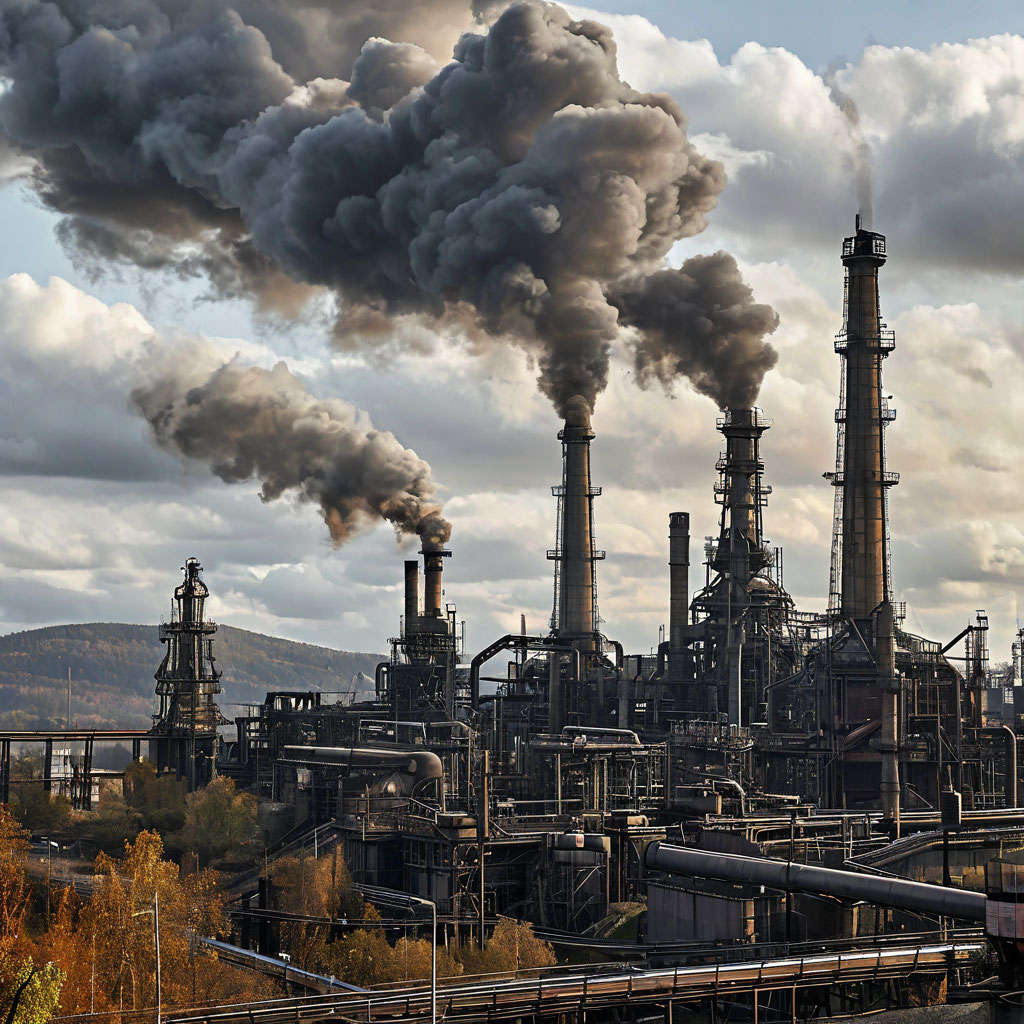
Today, as you traverse the Ural region, you can still see the remnants of this industrial legacy. The once-thriving mining towns, now quiet, stand as monuments to a bygone era. The factories, some still operational, echo the sounds of a time when foreign capital and Russian ingenuity combined to forge an industrial titan.
Understanding this history offers valuable insights into the complexities of industrialization and the profound impact of foreign investment on regional development. The story of the Urals is not just a tale of economic growth but also a narrative of cultural exchange, technological advancement, and the enduring spirit of innovation.
