The Expansion of Gold Mining in the Urals
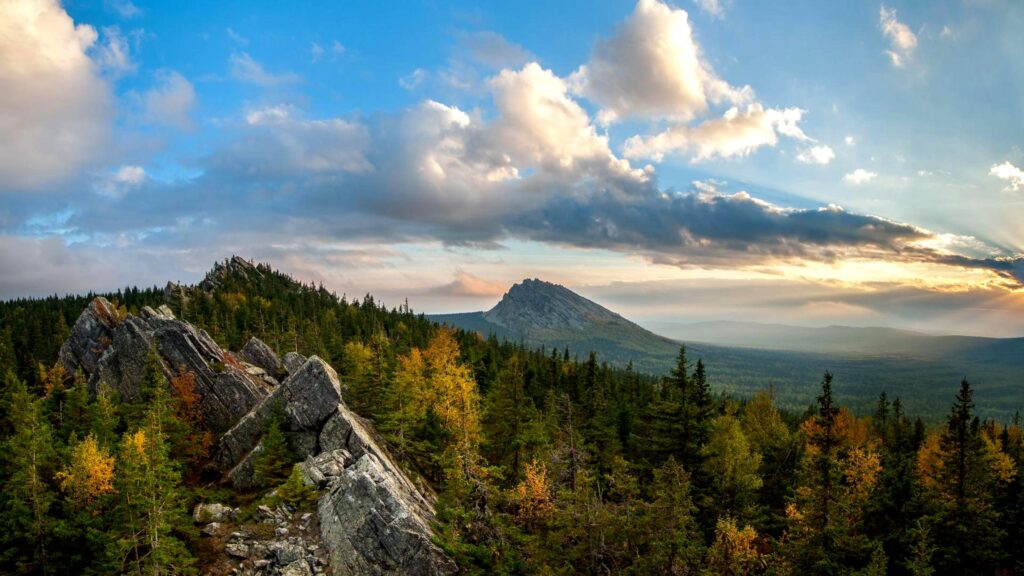
Imagine a land where the mountains gleam with hidden treasures, where rivers whisper tales of riches waiting to be unearthed. This is the story of the Ural Mountains, a region that, in the 19th century, transformed into a beacon for gold seekers and pioneers alike. Let’s embark on a journey through time to discover Ural gold mining history and how the Urals became synonymous with gold mining and the indelible mark it left on Russia’s history.
The Dawn of Discovery
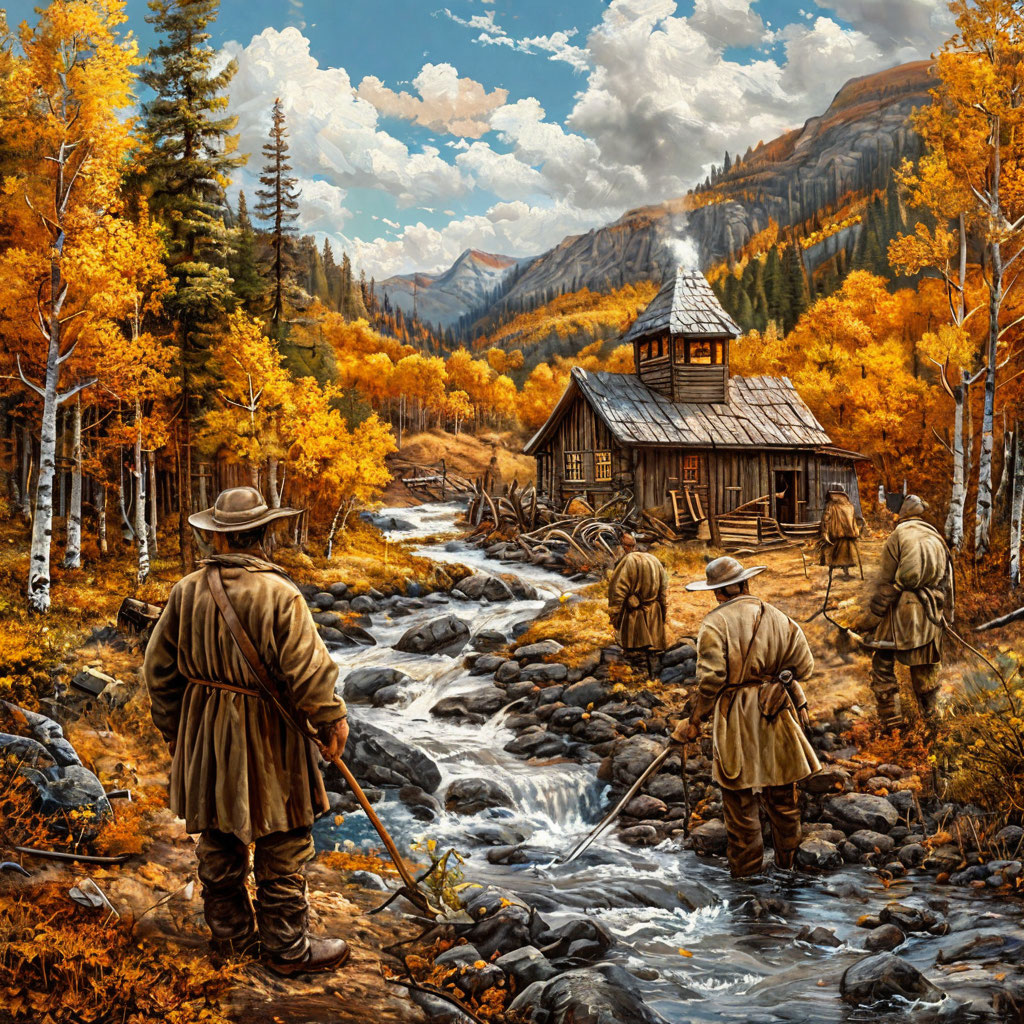
Our tale begins in 1745, when a humble peasant named Erofei Markov stumbled upon the first gold deposit in Russia, nestled in the heart of the Urals. This serendipitous find near Yekaterinburg set the stage for a mining revolution. By 1747, the Berezovskoye mine was established, marking the birth of Russia’s gold mining industry. The allure of gold was irresistible, drawing miners from all corners of the empire. The once quiet region buzzed with activity as new settlements sprang up, and the landscape began to change.
Gold Rush Era
Fast forward to the early 19th century, and the Urals were in the throes of a gold rush. 1820s witnessed a surge in mining activities, with 309 mines operating by 1823, producing 105 poods of gold. Discovery of a massive 36.04 kg gold nugget in 1842 at the Tsarevo-Alexandrovsky mine was a testament to the area’s wealth. This period not only boosted Russia’s economy but also positioned it as a leading gold producer globally. The Urals had become a land of opportunity, attracting dreamers and fortune hunters.
Technological Triumphs and Challenges of Ural Gold Mining History
Mining in the Urals was no small feat. The rugged terrain and dense forests posed significant challenges. To overcome these, innovative methods were employed. Introduction of horse-powered pumps in 1799 revolutionized the industry, enabling miners to drain water from deep shafts efficiently. This advancement led to a dramatic increase in ore production, from about 6,600 tons per year in the 1790s to nearly 29,770 tons by 1806. However, this progress came at a cost. The insatiable demand for wood to fuel smelting furnaces led to widespread deforestation, altering the region’s ecosystem and leaving a lasting environmental footprint.
Human Element in Ural Gold Mining History
Gold rush was not just a tale of machines and minerals; it was deeply human. Mines became melting pots of diverse cultures and backgrounds. Laborers, many of whom were peasants, worked tirelessly, often under harsh conditions. The 1850s saw a significant presence of women and children in the workforce, with females constituting about 10% of the labor force. The allure of gold was so potent that it transcended social hierarchies, drawing people from all walks of life. Yet, this prosperity was built on the backs of those who toiled in the depths, their stories often overshadowed by the glittering promise of gold.
Environmental Footprints
Relentless pursuit of gold left indelible marks on the Urals’ environment. Extensive deforestation to meet the insatiable demand for wood for smelting furnaces led to significant ecological changes. The once lush forests gave way to barren landscapes, disrupting local wildlife and altering the natural balance. The rivers, once pristine, became tainted with mercury and other pollutants used in the mining process. As a result, the environmental degradation was a stark reminder of the costs associated with the pursuit of wealth.
Legacy of the Ural Gold Rush
According to Wikipedia, Russia has long been a major producer of gold. As the 19th century drew to a close, the gold rush in the Urals began to wane. Easily accessible deposits were exhausted, as a result the focus shifted to other regions. Yet, the legacy of this era is profound. The Urals had not only contributed significantly to Russia’s economy but had also laid the foundation for its industrial prowess. The mining towns that once thrived became symbols of resilience and ambition. Thus, today, they stand as monuments to a bygone era, their stories etched in the annals of history.
Conclusion
In conclusion, the expansion of gold mining in the Urals is a tale of discovery, innovation, and human endeavor. It is a story of a region that, against all odds, transformed into a gold mining powerhouse, leaving a legacy that continues to captivate and inspire. Urals, with their rich history and enduring spirit, remind us of the timeless allure of gold and the lengths to which humanity will go to unearth its treasures.
Learn more about the Stone City Labyrinths, another fascinating Ural landmark.
