The Role of Ural Industry in the Russian Empire’s Economy
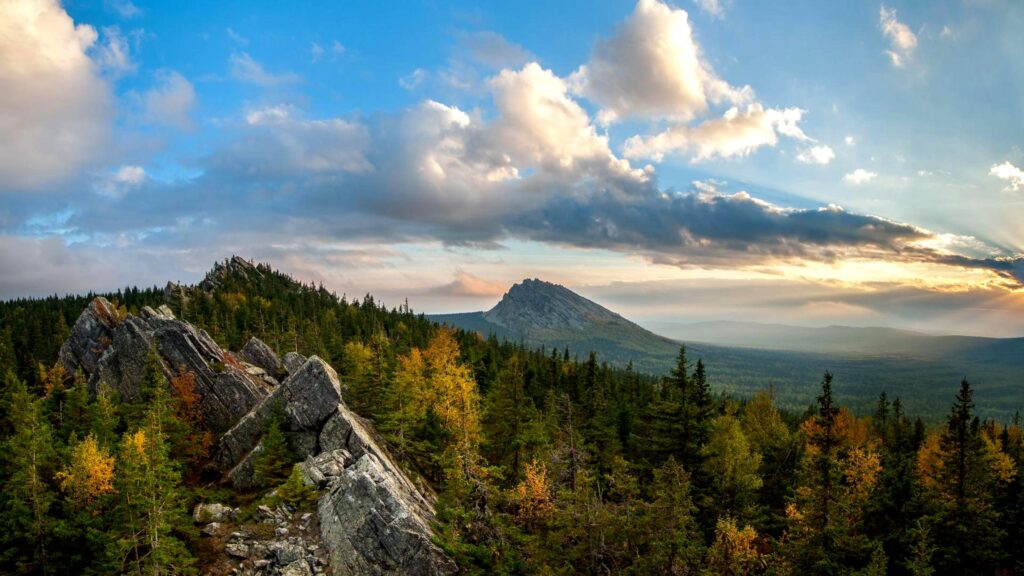
Imagine a vast expanse of dense forests, towering mountains, and winding rivers stretching across the heart of Russia. This is the Ural region, a land rich in natural resources and a cornerstone of the Russian Empire’s industrial prowess in the 19th century. Let’s embark on a journey through time to explore how the Ural’s industries not only shaped the empire’s economy but also left an indelible mark on its cultural and social fabric.
The Ural’s Industrial Landscape: A Treasure Trove of Resources
In the early 1800s, the Ural Mountains were more than just a geographical feature; they were a treasure trove of minerals and metals. Imagine the mountains as a giant vault, holding vast reserves of iron ore, copper, and precious stones. These resources were the lifeblood of the empire’s burgeoning industries.
For example, the city of Yekaterinburg, founded in 1723, became a bustling hub for iron production. Its ironworks supplied the empire with the raw materials needed for everything from weapons to everyday tools. The Ural’s rivers, like the Kama and the Volga, served as vital transportation routes, moving goods and people efficiently across the region.
The Rise of Industrial Giants: Factories and Foundries
As the 19th century progressed, the Ural’s industrial landscape transformed dramatically. Small workshops evolved into massive factories and foundries, symbolizing the empire’s industrial might. These establishments were not just centers of production; they were communities in themselves, drawing workers from all corners of the empire.
In contrast to the agrarian lifestyle that many were accustomed to, factory life was a whirlwind of activity. Workers, including women and children, toiled long hours under challenging conditions. However, this industrial boom also led to the development of new skills and trades, laying the foundation for a more diversified economy.
The Economic Backbone: Trade and Commerce
The Ural’s industries were not isolated; they were deeply integrated into the empire’s broader economic system. The goods produced in the Ural were in high demand, both domestically and internationally. The iron and steel from Yekaterinburg, for instance, were exported to Europe, fueling the continent’s industrial revolution.
Moreover, the Ural’s strategic location made it a nexus for trade routes. Merchants and traders traversed the region, exchanging goods and ideas. This exchange fostered a culture of innovation and entrepreneurship, contributing to the empire’s economic resilience.
Labor and Society: The Human Element
Behind the clanging of hammers and the roar of furnaces were the people who powered the Ural’s industries. The labor force was diverse, comprising peasants seeking better opportunities, skilled artisans, and even political exiles. Their stories are woven into the very fabric of the Ural’s industrial heritage.
Life in the industrial centers was a mix of hardship and hope. Workers faced long hours and hazardous conditions, yet they built tight-knit communities. The rise of labor movements in the late 19th century began to address some of these challenges, advocating for better working conditions and rights.
Technological Innovations: Pioneering the Future
The Ural’s industries were not just about raw production; they were centers of innovation. Engineers and inventors in the region developed new techniques and machinery that improved efficiency and output. These innovations had a ripple effect, influencing industries across the empire and beyond.
For example, the introduction of blast furnaces in the Ural’s ironworks revolutionized steel production, making it more efficient and cost-effective. This technological leap was crucial for the empire’s military and infrastructure projects, underscoring the Ural’s role as a technological pioneer.
Environmental Impact: A Double-Edged Sword
However, the rapid industrialization came at a cost. The once-pristine landscapes of the Ural were altered by deforestation, pollution, and the depletion of natural resources. Rivers that once teemed with fish became tainted with industrial waste, and the air was thick with smoke from countless factories.
Therefore, while the Ural’s industries propelled the empire forward, they also left a legacy of environmental challenges. These issues prompted early discussions about sustainable practices and the need for balance between progress and preservation.
Legacy and Influence: Shaping the Modern World
The industrial boom in the Ural had a lasting impact on Russia and the world. It laid the groundwork for the Soviet Union’s industrialization in the 20th century and influenced global industrial practices. The region’s rich history continues to inspire and inform discussions about industrialization, labor, and environmental stewardship.
In conclusion, the Ural’s industries were more than just economic engines; they were catalysts for social change, technological advancement, and cultural exchange. They embody the spirit of human ingenuity and resilience, reminding us of the complex interplay between nature, industry, and society.
As we reflect on the Ural’s industrial past, we gain insights into the challenges and triumphs of industrialization, offering lessons that resonate in today’s world. The Ural’s story is not just a chapter in Russia’s history; it is a testament to the enduring human quest to harness nature’s resources for progress and prosperity.
