The Ural-Guryev Operation: A Pivotal Chapter in the Russian Civil War
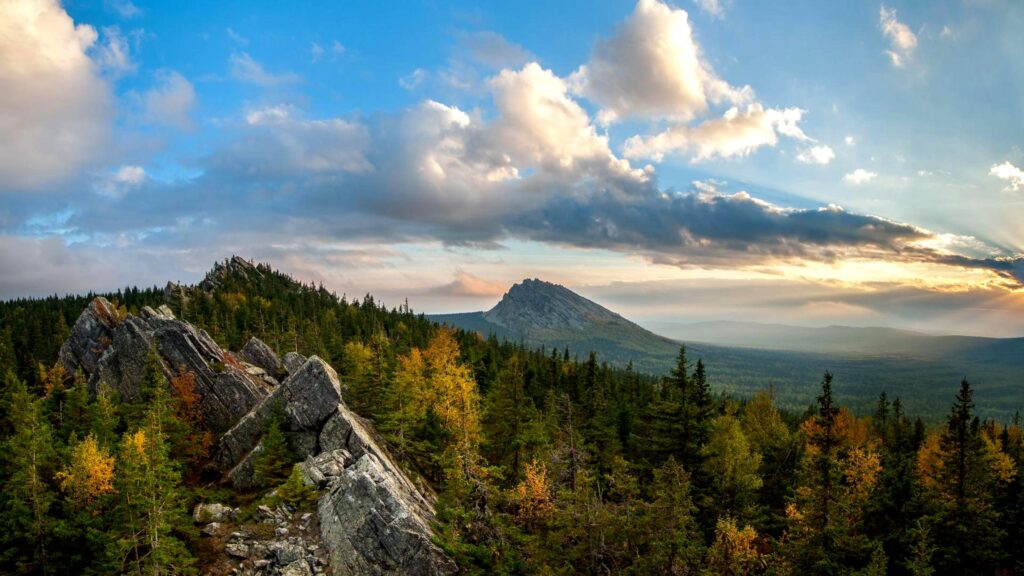
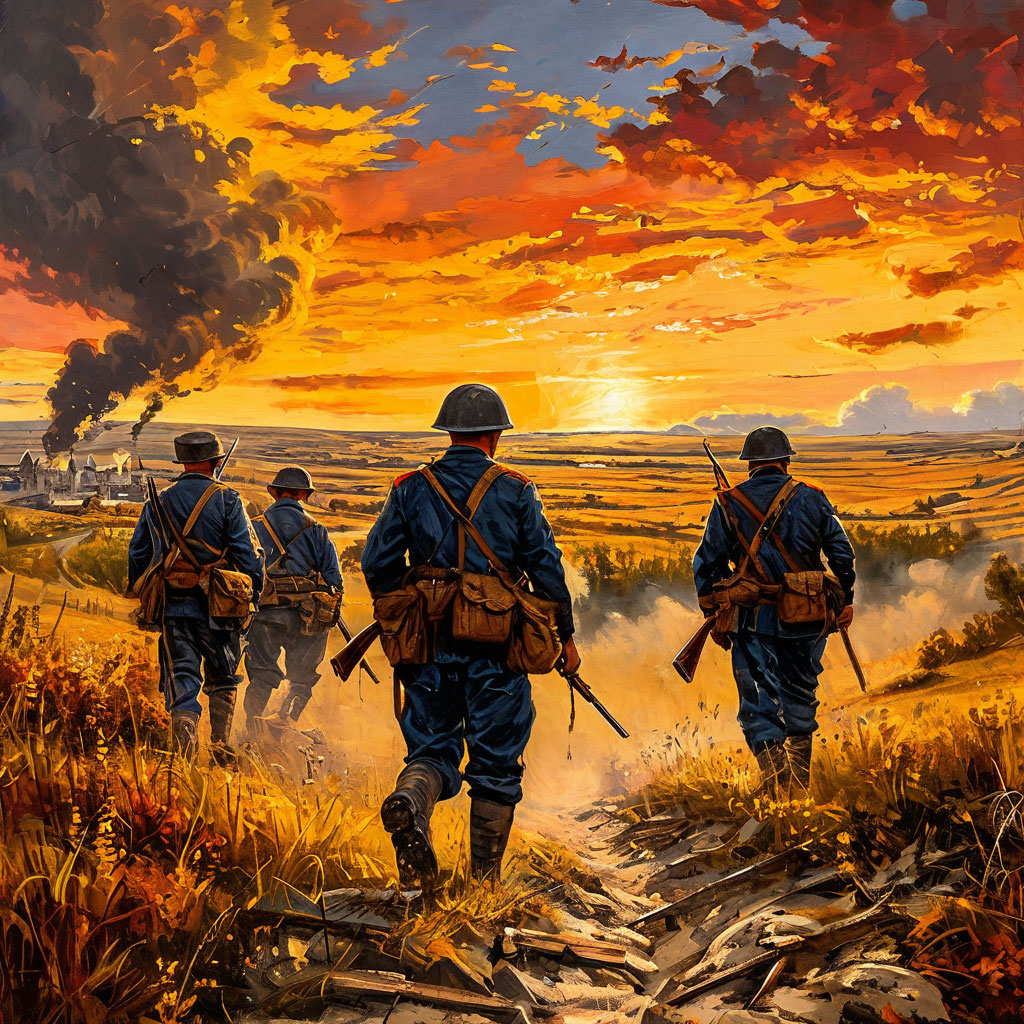
Imagine a vast expanse of rugged terrain, where the fate of a nation hinges on the outcome of a relentless military campaign. This was the reality during the Ural-Guryev Operation, a significant episode in the Russian Civil War that unfolded between November 1919 and January 1920. Let’s embark on a journey through this tumultuous period, exploring the strategies, battles, and individuals who shaped its course.
The Prelude to Conflict
In the aftermath of the 1917 Bolshevik Revolution, Russia was plunged into a civil war between the Red Army (Bolsheviks) and the White Army (anti-Bolsheviks). The Ural region, rich in resources and strategic importance, became a focal point of contention. By September 1919, the White forces, led by General V.S. Tolstov, had established the Ural Army, comprising over 4,000 infantry and 10,500 cavalry, supported by artillery and machine guns. Their objective was to secure the Ural region and its vital oil fields, particularly in the Emba area.
In response, the Red Army’s Turkestan Front, commanded by M.V. Frunze, mobilized its forces to neutralize this threat. The Turkestan Front included the 1st and 4th Armies, with the 11th Army initially assigned to the task but later redirected to support the Southern Front. The plan was to encircle and defeat the Ural Army, thereby securing the region for the Bolsheviks.
The Unfolding of the Operation
The operation commenced on November 2, 1919, with the Red Army launching coordinated attacks on multiple fronts. The 4th Army, reinforced by units from the 1st Army, advanced towards key positions such as Lbishchensk and Kalmykovo. The Iletsk Group targeted the Jambeytinskaya Stockade, a stronghold of the White forces. Despite initial resistance, the Red Army made significant progress, capturing strategic locations and forcing the White forces to retreat southward.
By November 28, Frunze ordered the pursuit of the retreating White forces, leading to the formation of expeditionary units capable of operating independently in the steppe. This maneuver was crucial in maintaining pressure on the enemy and preventing them from regrouping.
The Turning Tide
On December 9, 1919, Frunze issued an amnesty to the Ural Cossacks, urging them to surrender voluntarily. This diplomatic approach aimed to weaken the White forces’ morale and induce defections. The strategy proved effective, as many Cossacks chose to surrender, reducing the enemy’s strength and cohesion.
By December 22, the Red Army captured the Gorodskaya station, the last significant stronghold of the White forces on the path to Guryev. The fall of this position marked a turning point, leading to the mass surrender of White troops and the disintegration of the Ural Army.
The Final Assault on Guryev
With the White forces in disarray, the Red Army intensified its efforts to capture Guryev (now Atyrau). On January 5, 1920, cavalry units of the 4th Army, after a grueling 150-kilometer march over three days, seized the city. This victory was pivotal, as it secured the Ural region and its oil fields for the Bolsheviks, providing a significant boost to their resources and strategic position.
The Ural-Guryev Operation was marked by its duration—lasting 70 days—and its depth, covering approximately 500 kilometers. The operation combined offensive actions with defensive and operational pauses, showcasing the Red Army’s strategic flexibility. The capture of the Emba oil fields, particularly the Dossor area, yielded 12 million poods of oil, a substantial resource that bolstered the Bolsheviks’ war effort.
However, the operation also had a devastating impact on the White forces. The Ural Cossack Army was effectively destroyed, with many soldiers killed, captured, or forced to flee. The remnants of the White forces, led by General Tolstov, retreated southward along the eastern shore of the Caspian Sea, facing harsh conditions and constant pursuit by the Red Army. By May 20, 1920, only 162 Ural Cossacks, including Tolstov, managed to escape to Persia, marking the end of the Ural Army as a significant military force.
Why It Matters
The Ural-Guryev Operation was not just a military campaign; it was a decisive moment that influenced the trajectory of the Russian Civil War. The Bolsheviks’ victory secured vital resources and strategic positions, contributing to their eventual triumph. Moreover, the operation highlighted the complexities of warfare in the vast Russian steppes, where logistics, terrain, and the resilience of the troops played crucial roles.
Understanding this operation provides insight into the broader context of the Russian Civil War, illustrating the interplay between military strategy, resource control, and the human cost of conflict. It serves as a testament to the determination and endurance of those involved, offering lessons that resonate beyond the historical context.
For a more detailed account of the Ural-Guryev Operation, you can refer to the article on the Russian Wikipedia: Уральско-Гурьевская операция.
