The Role of the Urals in World War II: Evacuation and Production
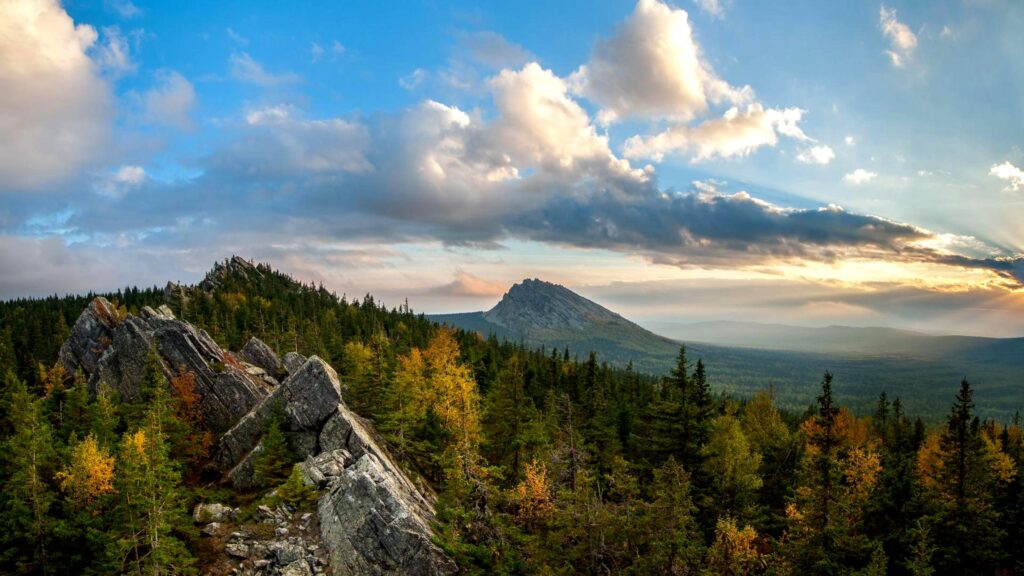
Imagine a vast, rugged mountain range stretching across the heart of Russia, its snow-capped peaks and dense forests concealing a treasure trove of natural resources. This is the Ural region—a land of industrial might and cultural richness. During the tumultuous years of World War II, the Urals transformed into the Soviet Union’s industrial powerhouse, playing a pivotal role in the nation’s struggle against the Axis powers.
The Great Evacuation: A Lifeline Amidst Chaos
As Nazi forces advanced rapidly through Eastern Europe in 1941, the Soviet Union faced the daunting task of preserving its industrial capabilities. The solution? A massive evacuation of factories, machinery, and personnel to the safety of the eastern territories. The Urals, with their strategic location and industrial infrastructure, became the primary destination for this monumental relocation.
Between July 1941 and December 1942, the Urals welcomed over 2.1 million evacuees. Cities like Sverdlovsk (now Yekaterinburg) saw their populations swell from 423,000 to 620,000, while Nizhny Tagil’s numbers grew from 160,000 to 239,000. This influx included not only workers but also scientists, engineers, and intellectuals, all contributing to the region’s burgeoning industrial landscape. Remarkably, the Urals managed to accommodate and integrate these newcomers, ensuring the continuity of production and morale on the home front. ([urok.1sept.ru](https://urok.1sept.ru/articles/595008?utm_source=openai))
Industrial Transformation: From Steel to Steel Giants
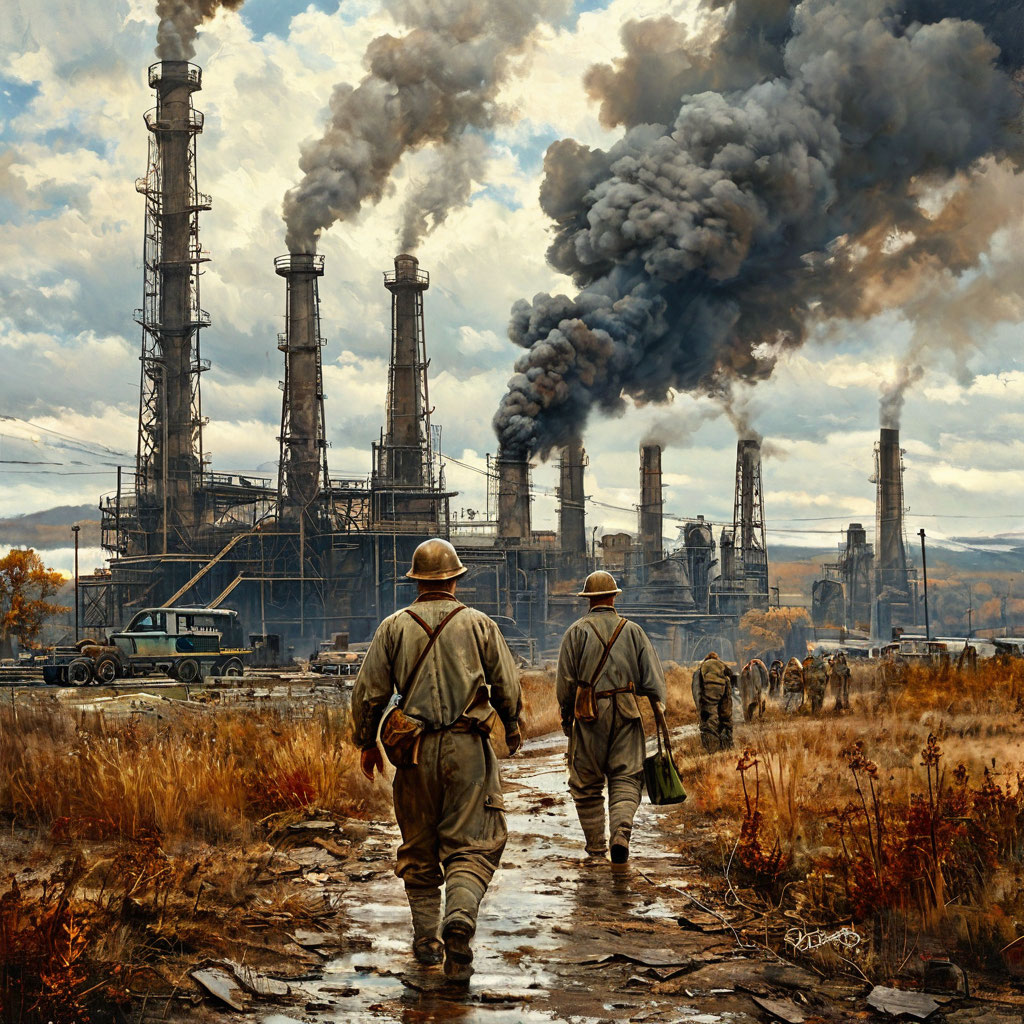
The Urals’ industrial sector underwent a remarkable transformation during the war years. The region’s factories, many of which had been producing consumer goods, swiftly retooled to meet the demands of total war. The Uralmash plant in Sverdlovsk, for instance, became a linchpin in Soviet tank production. By the end of the war, it had manufactured over 19,000 armored vehicle hulls, 30,000 field and tank guns, and 5,500 tanks and self-propelled guns, including 706 T-34s. ([art-talant.org](https://www.art-talant.org/publikacii/42338-ural-v-gody-velikoy-otechestvennoy-voyny?utm_source=openai))
Similarly, the Uralvagonzavod in Nizhny Tagil played a crucial role in tank production. By the end of the war, it had produced 25,266 T-34 tanks, with each second tank on the battlefield being a product of this factory. ([ru.wikipedia.org](https://ru.wikipedia.org/wiki/%D0%A3%D1%80%D0%B0%D0%BB%D0%B2%D0%B0%D0%B3%D0%BE%D0%BD%D0%B7%D0%B0%D0%B2%D0%BE%D0%B4?utm_source=openai))
Metallurgical Might: Forging the Arsenal of Victory
The Urals’ metallurgical industry was the backbone of the Soviet war effort. The region’s steel mills, such as the Magnitogorsk Iron and Steel Works, produced vast quantities of steel, including specialized grades for military applications. Notably, Magnitogorsk began producing armor steel just a month after the war’s onset, supplying the front lines with essential materials. ([art-talant.org](https://www.art-talant.org/publikacii/42338-ural-v-gody-velikoy-otechestvennoy-voyny?utm_source=openai))
By 1945, the Urals were responsible for producing 70% of the Soviet Union’s tanks, including 60% of medium tanks and 100% of heavy tanks. Additionally, the region supplied 50% of artillery pieces and 50% of munitions, underscoring its critical role in arming the Red Army. ([ru.wikipedia.org](https://ru.wikipedia.org/wiki/%D0%98%D1%81%D1%82%D0%BE%D1%80%D0%B8%D1%8F_%D0%BC%D0%B5%D1%82%D0%B0%D0%BB%D0%BB%D1%83%D1%80%D0%B3%D0%B8%D0%B8_%D0%A3%D1%80%D0%B0%D0%BB%D0%B0?utm_source=openai))
Scientific and Educational Resilience: Minds Behind the Machines
Beyond its industrial prowess, the Urals became a sanctuary for Soviet science and education during the war. As German forces advanced, numerous scientific institutions and universities were relocated to the region. Sverdlovsk, for example, became the temporary home of the Presidium of the Soviet Academy of Sciences and the Moscow State University. This relocation ensured the continuity of research and education, fostering innovation that contributed to the war effort. ([urok.1sept.ru](https://urok.1sept.ru/articles/595008?utm_source=openai))
Human Spirit: Stories of Courage and Dedication
The human element of the Urals’ wartime transformation is a testament to resilience and determination. Workers, many of whom were women, children, and the elderly, labored tirelessly in factories, often under harsh conditions. They worked 12-16 hours a day, assembling tanks, artillery, and ammunition, sometimes in freezing temperatures and with frozen fingers. Their unwavering commitment was encapsulated in the slogan “Replace the men going to the front.” ([urok.1sept.ru](https://urok.1sept.ru/articles/595008?utm_source=openai))
Moreover, the region’s leadership played a pivotal role in organizing and managing the evacuation and industrial conversion. Figures like Filipp Afanasievich Ershakov, who commanded the 22nd Army and participated in significant battles such as the defense of Moscow, exemplify the Urals’ contribution to the Soviet military leadership. ([zabota019.msp.midural.ru](https://zabota019.msp.midural.ru/news/ural-opornyy-kray-der-avy-70072/?utm_source=openai))
Legacy: The Ural’s Enduring Impact on the Soviet Victory
The Urals’ contribution to the Soviet Union’s victory in World War II cannot be overstated. The region’s factories produced the weapons and equipment that were instrumental in turning the tide against the Axis powers. Its cities became hubs of scientific and educational activity, ensuring that the Soviet Union remained at the forefront of technological and strategic innovation. The human spirit of the Ural’s people, characterized by resilience and dedication, provided the moral and physical support necessary to endure the hardships of war.
In essence, the Urals were not just a geographical region during World War II; they were the beating heart of the Soviet war effort, embodying the unity and strength of the Soviet people in the face of unprecedented challenges.
