
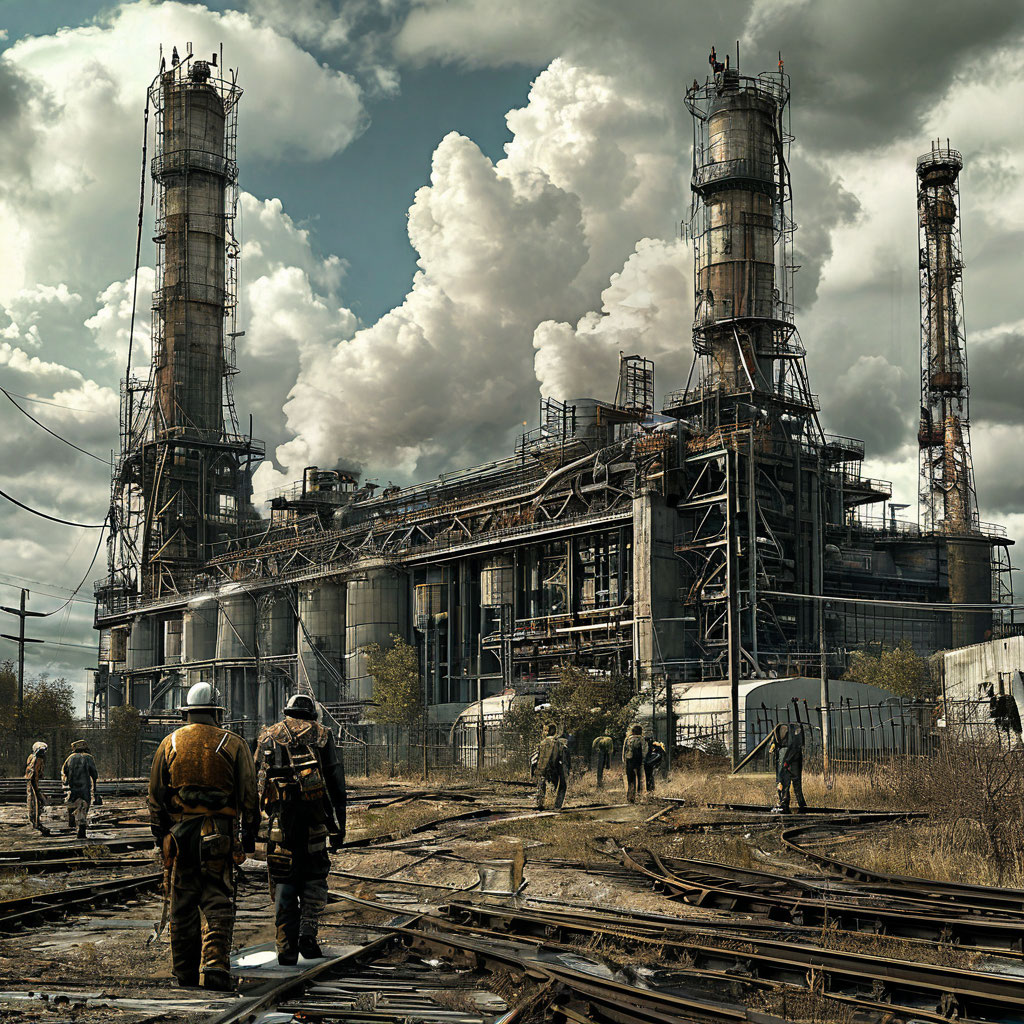
The Growth of the Nuclear Industry in the Urals
Imagine a vast expanse of rugged mountains and dense forests, stretching across the heart of Russia. This is the Ural region—a land rich in minerals, history, and, as you’ll discover, a pivotal center for the development of the Soviet Union’s nuclear industry. Let’s embark on a journey through time to explore how the Urals became the cradle of Soviet nuclear power.
The Dawn of the Atomic Age in the Urals
In the aftermath of World War II, the Soviet Union was determined to harness the power of the atom. The Urals, with their strategic location and industrial capabilities, were chosen as the heart of this ambitious endeavor. In 1946, the Soviet government established the Ural Electrochemical Combine (UEKhK) in the city of Sverdlovsk (now Yekaterinburg). This facility was tasked with producing enriched uranium, a critical component for both nuclear weapons and energy production. The choice of Sverdlovsk was no accident; its existing industrial infrastructure and remote location made it ideal for such sensitive operations.
The Secretive World of Nuclear Production
The early years of nuclear development in the Urals were shrouded in secrecy. The facilities were heavily guarded, and the workers were often unaware of the true nature of their tasks. The Ural Electrochemical Combine, for instance, operated under various codenames and was officially known as State Plant No. 813. Its primary mission was to produce uranium hexafluoride, a key material for uranium enrichment. The scale of operations was immense, and the facility became one of the largest of its kind in the world.
From Weapons to Energy: The Shift in Focus
As the Cold War progressed, the Soviet Union’s focus began to shift from nuclear weapons production to peaceful uses of nuclear energy. The Urals played a central role in this transition. In 1954, the Soviet Union commissioned its first nuclear power plant in Obninsk, and by the 1960s, the region was home to several nuclear power plants, including the Beloyarsk Nuclear Power Plant near Sverdlovsk. This plant was notable for its use of fast breeder reactors, which could generate more fuel than they consumed—a significant advancement in nuclear technology.
The Legacy of the Ural Nuclear Industry
The legacy of the nuclear industry in the Urals is multifaceted. On one hand, it contributed significantly to the Soviet Union’s energy independence and technological prowess. On the other hand, the environmental and health impacts of decades of nuclear activity have left a lasting mark on the region. Today, the Urals continue to be a hub for Russia’s nuclear industry, with facilities dedicated to both energy production and the decommissioning of old reactors.
Conclusion
The story of the nuclear industry in the Urals is a testament to human ingenuity and ambition. From its secretive beginnings to its role in powering a nation, the region’s journey mirrors the complexities and challenges of nuclear technology. As we look to the future, the Urals stand as a reminder of the delicate balance between harnessing the atom’s power and ensuring the safety and well-being of the environment and its people.
For a more in-depth exploration of the Ural nuclear industry, you might find the following resources insightful:
