
Sustainable Development Strategies in the Ural Industrial Region
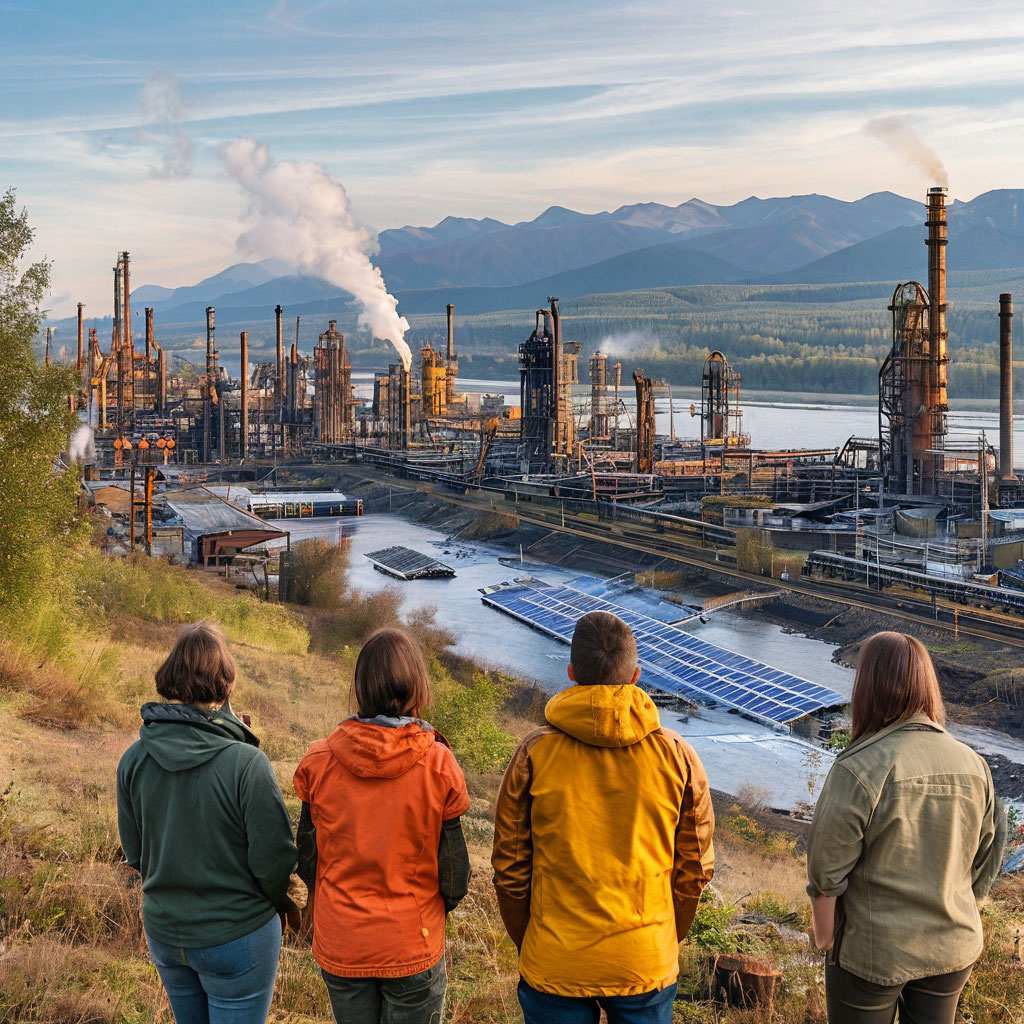
Imagine a vast expanse of rugged mountains, dense forests, and sprawling industrial cities. This is the Ural region, a land that has long been the heartbeat of Russia’s industrial prowess. However, as the world pivots towards sustainability, the Urals are at a crossroads, striving to balance its rich industrial heritage with the imperatives of environmental stewardship and social well-being. Let’s embark on a journey through the Urals to uncover the innovative strategies being employed to forge a sustainable future.
The Industrial Backbone of the Urals
The Urals, stretching from the Arctic Ocean to Kazakhstan, have been Russia’s industrial powerhouse for centuries. From the 18th century’s ironworks to the 20th century’s steel mills, the region’s factories have churned out products that fueled the nation’s growth. Cities like Yekaterinburg, Chelyabinsk, and Magnitogorsk have been synonymous with heavy industry, casting long shadows over the landscape.
The Call for Sustainable Transformation
However, this industrial legacy has come at a cost. Environmental degradation, resource depletion, and health risks have plagued the region. The need for sustainable development has never been more pressing. The question arises: how can the Urals reinvent itself without sacrificing its industrial identity?
Innovative Strategies for a Green Future
In response to these challenges, the Urals have embarked on several pioneering initiatives:
1. Embracing the ‘Green Economy’
Transitioning to a ‘green economy’ is central to the region’s strategy. This involves modernizing production processes to ensure sustainability and restoring the human habitat. By focusing on eco-friendly technologies and sustainable practices, the Urals aim to reduce pollution and promote environmental well-being. ([r-economy.com](https://r-economy.com/article/view/4323?utm_source=openai))
2. Strategic Planning for Sustainable Development
Effective strategic planning is crucial for sustainable development. The Urals have developed systems of strategic planning as an institutional basis for ensuring sustainable development under Industry 4.0. This approach integrates technological advancements with environmental considerations, aiming to balance industrial growth with ecological preservation. ([shs-conferences.org](https://www.shs-conferences.org/articles/shsconf/abs/2021/39/shsconf_ifsdr2021_01018/shsconf_ifsdr2021_01018.html?utm_source=openai))
3. Fostering Innovation and Technological Advancement
Innovation is the cornerstone of the Urals’ sustainable development strategy. By developing regional innovation policies, the region seeks to create effective trajectories for implementing the innovation paradigm in industrial sectors. This includes the development of high-tech industries and eco-friendly technologies, as well as the introduction of modern environmental standards of economic activity. ([e3s-conferences.org](https://www.e3s-conferences.org/articles/e3sconf/abs/2021/34/e3sconf_uesf2021_05002/e3sconf_uesf2021_05002.html?utm_source=openai))
4. Promoting Industrial Tourism
Industrial tourism has emerged as a unique strategy to showcase sustainable practices. For instance, Ural Steel has developed industrial tourism routes that allow visitors to witness the scale of production and technological features of the plant’s activities. This initiative not only supports the company’s image but also promotes brand communications and improves corporate culture. ([en.uralsteel.com](https://en.uralsteel.com/team/industrial-tourism/?utm_source=openai))
5. Aligning with Global Sustainable Development Goals
The Sverdlovsk region has aligned its Smart Region strategy with the United Nations Sustainable Development Goals (SDGs). This alignment includes improvements in city safety, more effective provision of health and education, and the development of a Smart Region by 2025. The strategy aims to define a roadmap that is closely aligned with regional priorities and UN sustainability goals. ([sdgs.un.org](https://sdgs.un.org/partnerships/sverdlovsk-smart-region?utm_source=openai))
Challenges and the Path Ahead
Despite these commendable efforts, challenges persist. The region’s heavy industrial base continues to pose environmental risks, and the transition to a green economy requires substantial investment and policy support. Moreover, social priorities, such as combating poverty and promoting gender equality, need to be more prominently integrated into regional development strategies. ([e3s-conferences.org](https://www.e3s-conferences.org/articles/e3sconf/abs/2020/68/e3sconf_ift2020_08029/e3sconf_ift2020_08029.html?utm_source=openai))
Conclusion
The Urals stand as a testament to Russia’s industrial might and its capacity for reinvention. Through innovative strategies, strategic planning, and a commitment to sustainability, the region is charting a course towards a greener, more equitable future. As the world watches, the Urals’ journey offers valuable lessons in balancing industrial heritage with environmental and social responsibility.
