The Ural’s Pivotal Role in Russia’s National Security and Defense
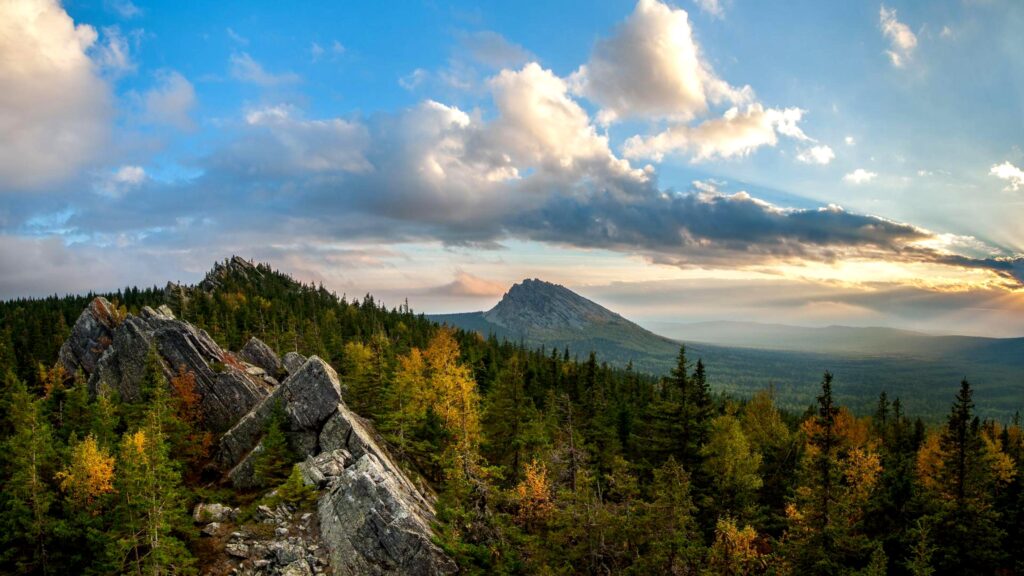
Imagine a vast expanse of rugged mountains, dense forests, and industrious cities—this is the Ural region of Russia. Spanning from the Arctic Ocean in the north to Kazakhstan in the south, the Urals have long been a cornerstone of Russia’s national security and defense. Let’s embark on a journey through time to uncover how this region has been instrumental in shaping Russia’s military prowess.
Industrial Backbone: Forging the Arsenal of Russia
In the early 20th century, the Urals emerged as a powerhouse of industrial might. The region’s rich deposits of iron ore, coal, and other minerals laid the foundation for a burgeoning metallurgical industry. By the 1930s, the Soviet government recognized the strategic importance of this area and initiated large-scale industrialization projects. Factories sprang up, churning out tanks, artillery, and ammunition at an unprecedented rate. During World War II, the Urals became the heart of Soviet defense production, with plants like the UralVagonZavod in Nizhny Tagil producing thousands of tanks and armored vehicles. This industrial surge was not just about numbers; it was about resilience and innovation. The UralVagonZavod, for instance, became the world’s largest main battle tank manufacturer, symbolizing Soviet engineering prowess. ([en.wikipedia.org](https://en.wikipedia.org/wiki/Uralvagonzavod?utm_source=openai))
Military Might: The Ural’s Strategic Significance
The Urals’ geographical position has always been a double-edged sword. On one hand, its vastness and natural defenses made it a formidable barrier against invasions. On the other, it served as a strategic launchpad for military operations. The Ural Military District, established in 1992, was a testament to this significance. It encompassed a vast array of military units, including tank divisions, motorized rifle divisions, and specialized brigades. The district’s role was not just defensive; it was a springboard for projecting power across Russia’s expansive territory. ([en.wikipedia.org](https://en.wikipedia.org/wiki/Ural_Military_District?utm_source=openai))
Technological Triumphs: Innovations from the Ural
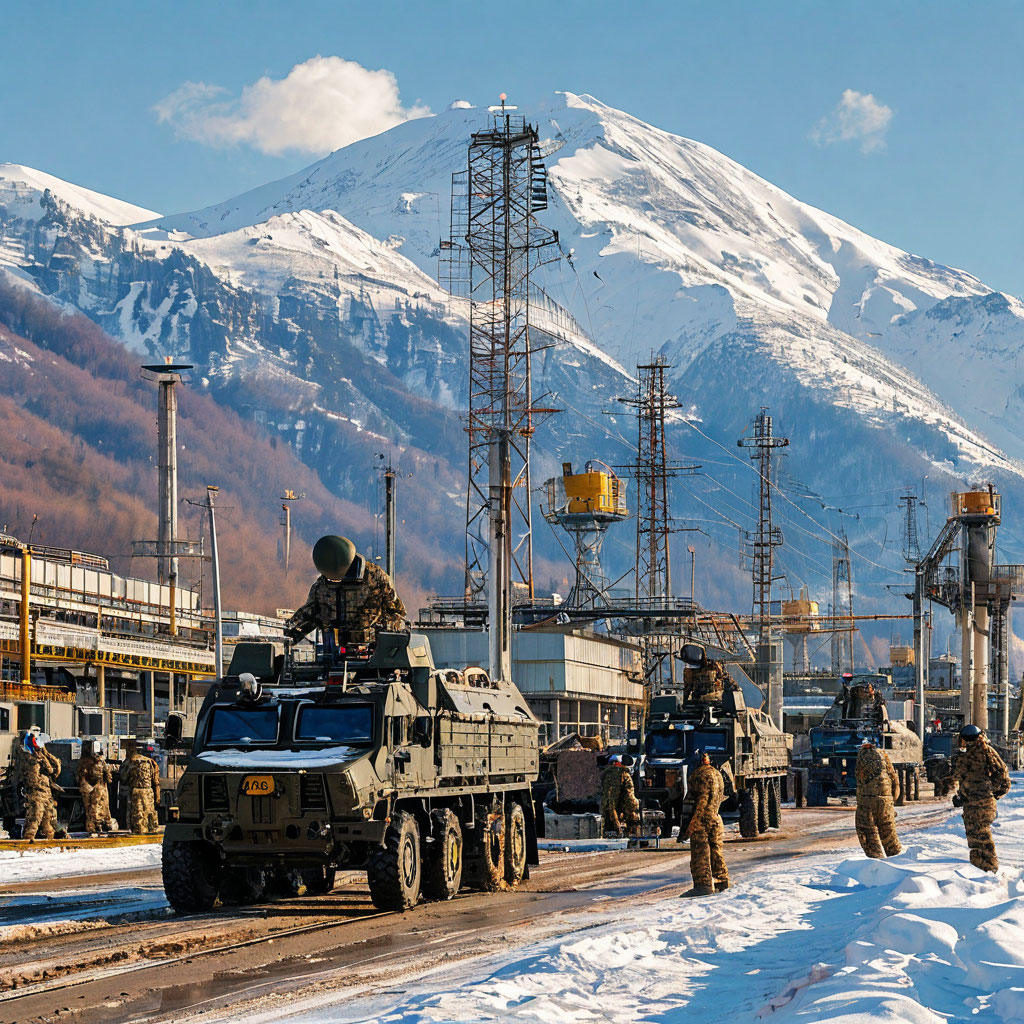
The Urals have been a cradle for military innovation. In 2022, the region unveiled a prototype of the first unmanned military truck, a testament to its forward-thinking approach. This vehicle, devoid of a cockpit and control system, was equipped with advanced technical vision and underwent preliminary tests. Designed for autonomous operation, it was envisioned to transport cargo in hazardous areas, such as frontline zones. This innovation underscored the Urals’ commitment to integrating cutting-edge technology into defense strategies. ([globalsecurity.org](https://www.globalsecurity.org/wmd/library/news/russia/2022/08/russia-220815-sputnik03.htm?utm_source=openai))
Modern-Day Arsenal: The Ural’s Continued Legacy
Fast forward to the 21st century, and the Urals continue to be at the forefront of Russia’s defense industry. Companies like Kurganmashzavod in Kurgan have ramped up production of armored combat vehicles, including the BMP-3 infantry fighting vehicles and BMD-4M airborne assault vehicles. In May 2024, Kurganmashzavod reported a 20% increase in the output of these vehicles, highlighting the region’s ongoing contribution to national security. ([tass.com](https://tass.com/defense/1789187?utm_source=openai))
Unveiling the Past: The Ural’s Historical Significance
The Urals’ role in defense isn’t just a modern phenomenon. During the Soviet era, the region was home to numerous military factories and research institutions. The Ural Works of Civil Aviation, for instance, was a major aircraft manufacturer, producing and repairing various military aircraft. Established in 1939, the plant’s contributions were pivotal during World War II, where it repaired and returned to service a significant number of aircraft and engines. ([en.wikipedia.org](https://en.wikipedia.org/wiki/Ural_Works_of_Civil_Aviation?utm_source=openai))
Conclusion: The Ural’s Enduring Legacy in National Security
The Ural region’s contribution to Russia’s national security and defense is both profound and enduring. From its industrial might during the Soviet era to its technological innovations in the present day, the Urals have been, and continue to be, a linchpin in Russia’s defense strategy. As we look to the future, the Urals’ blend of resilience, innovation, and strategic importance ensures its continued role in safeguarding Russia’s sovereignty and security.
For a deeper dive into the Urals’ industrial heritage, you might find this article insightful: ([en.wikipedia.org](https://en.wikipedia.org/wiki/History_of_metallurgy_in_the_Urals?utm_source=openai))
