
Magnitnaya Fortress 1743: Cossacks Guard the Magnetic Mountain
Imagine a time when the vast expanse of the Southern Urals was a land of mystery and untapped potential. Amidst this rugged terrain stood a mountain that would become the epicenter of a tale of discovery, defense, and transformation—the Magnetic Mountain, or Magnitnaya Gora. This isn’t just a story of a mountain; it’s a journey into the heart of Russia’s industrial revolution, the resilience of the Cossacks, and the allure of hidden treasures beneath the earth’s surface.
The Enigmatic Magnetic Mountain
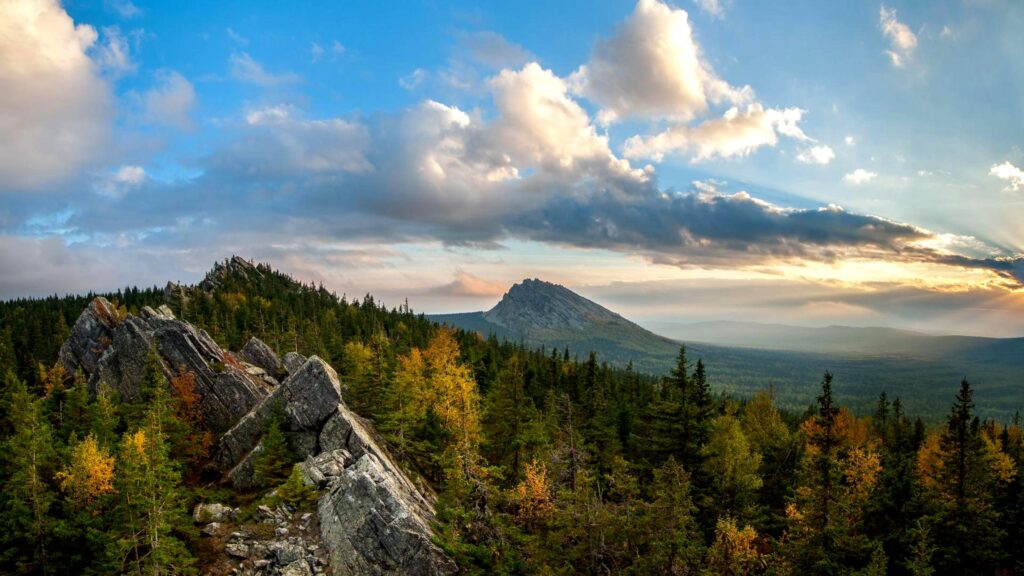
Located on the eastern slope of the Southern Urals, the Magnetic Mountain rises to 616 meters. Its name, “Magnetic,” hints at the magnetic properties that early explorers believed it possessed. The Bashkirs, the indigenous people of the region, referred to it as “Atach,” a name that echoes through the annals of history. For centuries, this mountain stood as a silent sentinel, guarding its secrets from the outside world.
The Cossacks’ Arrival
In the early 18th century, the Russian Empire was expanding its borders, seeking new lands to conquer and resources to exploit. The Orenburg region, rich in natural resources, became a focal point of this expansion. To secure these territories and maintain order, the Russian authorities established a series of fortresses and settlements along the Yaik River (now known as the Ural River). Among these was the Magnitnaya Fortress, founded in 1743. This fortress wasn’t just a military outpost; it was a symbol of Russian presence and power in the region.
The Cossacks, renowned for their martial prowess and loyalty, were entrusted with the defense of this frontier. Stationed at the Magnitnaya Fortress, they were tasked with protecting the settlers, maintaining peace, and ensuring that the vast resources of the land remained under Russian control. Their presence was a testament to the strategic importance of the area and the empire’s commitment to its expansionist ambitions.
The Discovery of Iron Ore
While the Cossacks stood guard, the land around them held a treasure trove of resources waiting to be discovered. In 1740, a pivotal event occurred that would change the course of the region’s history. Baim Kidraev, the foreman of Kubelyakskaya volost of the Nogaiskaya road, led foreman Markov and interpreter Roman Urazlin to the Magnetic Mountain. There, they uncovered a rich deposit of iron ore. This discovery was monumental; from 100 pounds of ore, they could extract 75 pounds of iron—a yield that was both impressive and promising.
This find didn’t just remain a local secret. News of the rich iron deposits spread, catching the attention of entrepreneurs and industrialists eager to harness the mountain’s bounty. The Magnetic Mountain was no longer just a geographical feature; it had become a beacon for industrial progress and economic opportunity.
The Rise of Magnitogorsk
The allure of the Magnetic Mountain’s resources led to the establishment of Magnitogorsk, a city that would rise from the ashes of a simple fortress. The name “Magnitogorsk” translates to “Magnetic Mountain City,” a fitting tribute to its origins. Over time, Magnitogorsk transformed into a bustling industrial hub, especially during the Soviet era, when it became home to one of the largest metallurgical plants in the world. The city’s growth was a testament to human ingenuity and the relentless pursuit of progress.
The Cossacks’ Legacy
While the Cossacks’ role in the region’s defense was crucial, their legacy extends beyond mere military endeavors. They were pioneers, settlers, and builders. Their presence laid the foundation for the communities that would flourish in the area. The fortresses they established, like the Magnitnaya Fortress, served as beacons of civilization in a vast and untamed land. Their stories, filled with valor and determination, continue to inspire and resonate with the spirit of exploration and resilience.
The Magnetic Mountain Today
Today, the Magnetic Mountain stands as a monument to the past—a silent witness to the events that unfolded around it. While much of its iron ore has been extracted, the mountain’s significance remains undiminished. It serves as a reminder of the intertwined histories of the Cossacks, the Russian Empire, and the industrial age. For those who visit, it offers a glimpse into a bygone era, inviting reflection on the forces that shaped the region and the enduring spirit of its people.
Conclusion
The story of the Magnitnaya Fortress and the Cossacks who guarded the Magnetic Mountain is more than just a historical account; it’s a narrative of discovery, defense, and transformation. It encapsulates the essence of human endeavor—the quest to uncover hidden treasures, the drive to build and protect communities, and the relentless pursuit of progress. As you reflect on this tale, consider the countless stories that lie beneath the surface, waiting to be discovered, and the enduring legacies that continue to shape our world today.
