Severnaya Kazarma Road: How the Babinov Trail Became a Highway
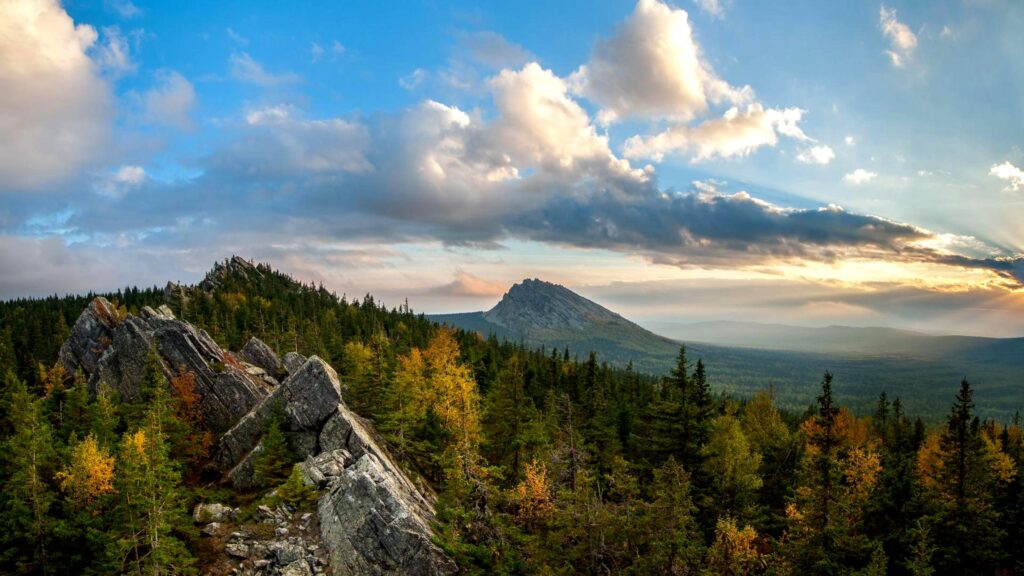
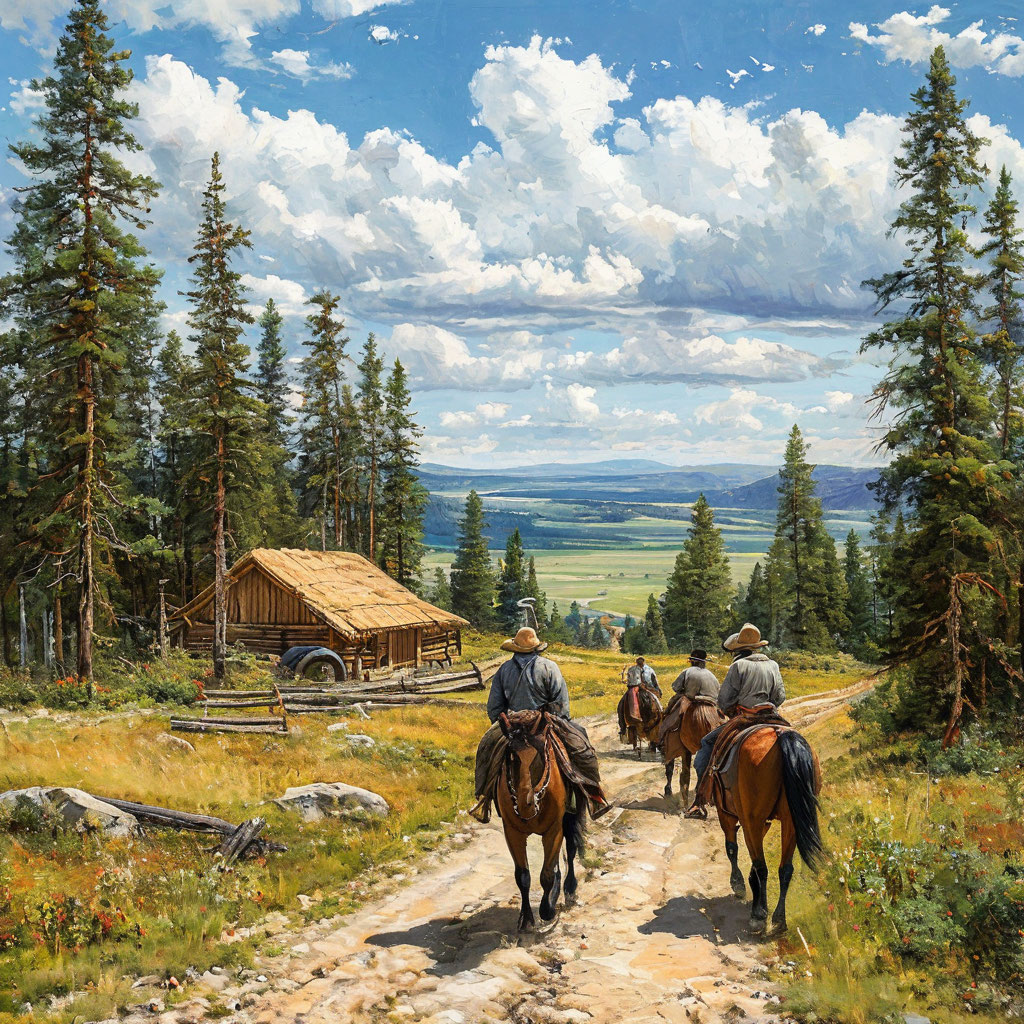
Imagine standing at the edge of the vast Russian wilderness, where dense forests and rugged mountains stretch endlessly before you. Now, picture a narrow, winding path cutting through this untamed landscape, connecting distant settlements and serving as a lifeline for explorers and traders. This is the essence of the Babinov Road, a trail that transformed the course of Russian history and paved the way for the expansion into Siberia.
The Discovery of the Babinov Road
In 1597, a Russian explorer named Artemy Babinov embarked on a journey that would change the fate of the Tsardom of Russia. Hailing from the village of Verkh-Usolka, Babinov was determined to find a more efficient route across the Ural Mountains, which had long been a formidable barrier between European Russia and the vast expanse of Siberia.
At that time, the Cherdyn Route was the primary overland path, but it was treacherous and time-consuming. Babinov, however, had a keen eye for shortcuts. He observed the paths used by indigenous Khanty and Mansi hunters, who had long traversed the region’s dense forests. With this inspiration, he set out to chart a new course.
After months of navigating through the dense taiga, Babinov discovered a more direct route from Solikamsk to Verkhoturye, and onward to Tobolsk in Siberia. This path was not only shorter but also more navigable, significantly reducing travel time and opening up new possibilities for trade and settlement.
The Significance of the Babinov Road
The Babinov Road was more than just a trail; it was a catalyst for change. By providing a reliable overland route, it facilitated the Russian colonization of Siberia, leading to the enormous territorial growth of the Tsardom of Russia in the 17th century. The road became the primary artery for settlers, traders, and explorers venturing into the vast Siberian expanse.
To protect this vital route from potential raids by native tribes, a series of small forts were established along its path. Verkhoturye, located at the eastern end of the road, was the first of these forts, built in 1598. These fortifications ensured the safety of travelers and the continued flow of goods and people along the road.
The Evolution into a Highway
As the centuries passed, the Babinov Road underwent several transformations. Initially, it was a rugged trail, challenging to navigate and accessible only to those with the determination to face its hardships. However, with the passage of time and the advancement of engineering, the road was improved and expanded.
In the 18th century, the construction of the Great Siberian Road in 1735 provided an alternative route, but the Babinov Road remained a significant path for many. Over time, it evolved into a more structured and maintained highway, accommodating the increasing flow of traffic and goods between Europe and Siberia.
The Legacy of the Babinov Road
Today, the legacy of the Babinov Road is evident in the cities and towns that sprang up along its path. Solikamsk, once a modest settlement, grew into a bustling center of salt mining, thanks to its strategic location at the western end of the road. Verkhoturye, with its historic fortifications and churches, stands as a testament to the road’s significance in Russian history.
The transformation of the Babinov Trail into a highway symbolizes the resilience and ingenuity of those who sought to connect disparate parts of a vast and diverse land. It reflects the human spirit’s unyielding desire to overcome obstacles and forge connections, no matter how daunting the journey may seem.
Conclusion
The story of the Babinov Road is not just about a trail; it’s about vision, determination, and the relentless pursuit of progress. From a hunter’s path to a vital artery of a growing empire, it embodies the essence of exploration and the drive to connect and expand. As you traverse the modern highways of Russia today, remember that beneath the asphalt lies a history of adventure, discovery, and the enduring human spirit that continues to shape the world around us.
