
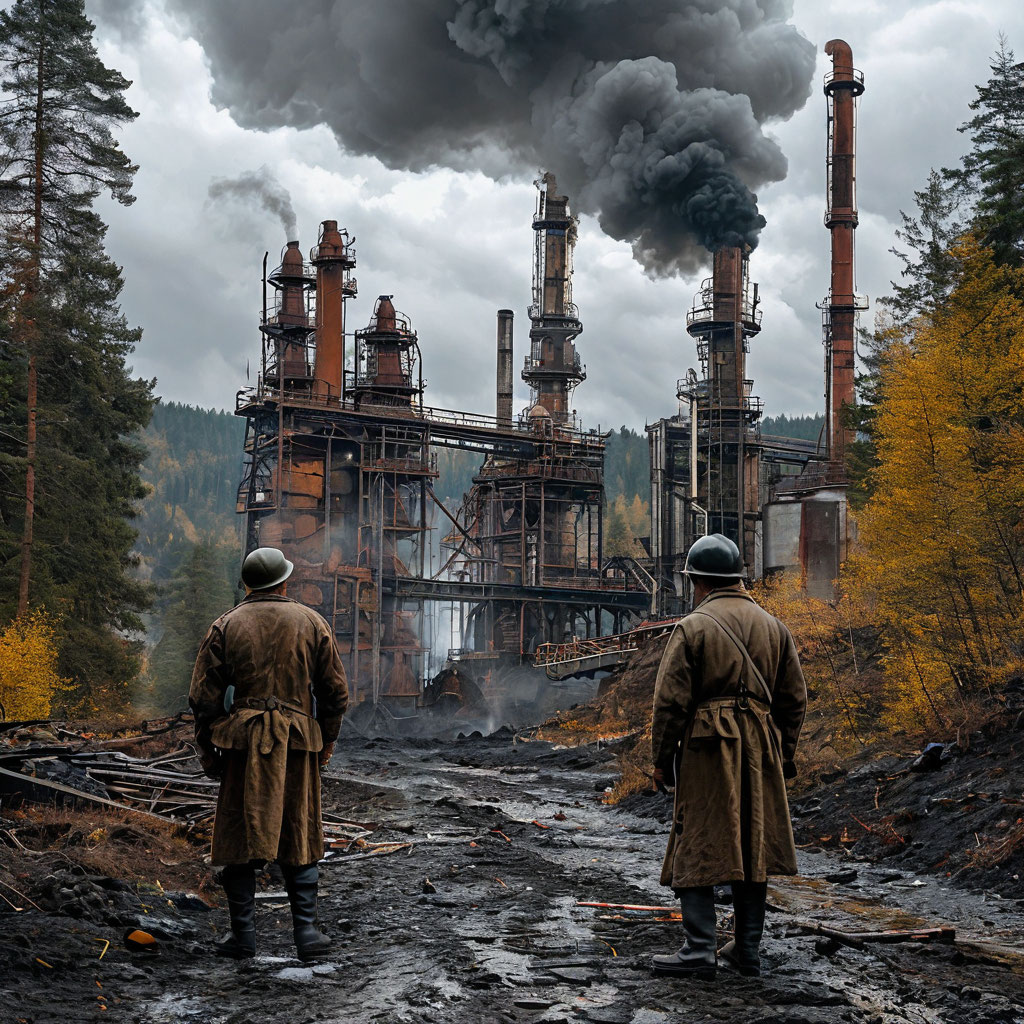
The Kamensk-Uralsky Aluminium Story: XVIII-Century Iron Roots
Imagine a time when the vast Russian wilderness was dotted with small villages, and the hum of industry was a distant dream. In the late 17th century, nestled along the confluence of the Kamenka and Iset Rivers, a transformation was quietly unfolding that would lay the foundation for one of Russia’s most significant industrial centers: Kamensk-Uralsky.
The Birth of Kamensk-Uralsky
In 1700, under the directive of Tsar Peter the Great, the Kamensky Iron Works was established, marking the inception of Kamensk-Uralsky. This ironworks wasn’t just a factory; it was a beacon of Russia’s industrial ambition. By October 15, 1701, the plant began operations, producing cast iron and cannons that would become renowned for their quality. The town that grew around this industrial hub was initially known as Kamensky Zavod, reflecting its deep ties to iron production. Over the centuries, it would evolve into the vibrant city of Kamensk-Uralsky, a testament to the enduring legacy of its iron roots. ([en.wikipedia.org](https://en.wikipedia.org/wiki/Kamensk-Uralsky?utm_source=openai))
The Rise of the Demidov Dynasty
As the 18th century progressed, the Demidov family emerged as pivotal figures in the Ural’s metallurgical landscape. Their journey began in 1697 when they discovered rich iron ore deposits along the Tagil and Neyva rivers. Recognizing the potential, Tsar Peter the Great granted them the Nevyansk plant, one of the first blast-furnace plants in the region. Under the Demidovs’ stewardship, the plant flourished, producing high-quality iron that garnered international acclaim. By 1740, their factories were responsible for about 64% of all Ural and 46% of Russian iron production, solidifying their reputation as industrial pioneers. ([en.wikipedia.org](https://en.wikipedia.org/wiki/History_of_metallurgy_in_the_Urals?utm_source=openai))
Kamensk-Uralsky’s Industrial Evolution
While the Demidovs were revolutionizing iron production, Kamensk-Uralsky was quietly evolving. The original ironworks, established in 1700, underwent significant reconstruction between 1825 and 1829, modernizing its facilities and expanding its capacity. This period of growth laid the groundwork for the city’s future industrial endeavors. ([en.wikipedia.org](https://en.wikipedia.org/wiki/Kamensk-Uralsky?utm_source=openai))
The Advent of Aluminium
Fast forward to the 20th century, and Kamensk-Uralsky’s industrial prowess took a new direction. In 1939, the Soviet government recognized the city’s strategic importance and established the Kamensk-Uralsky Metallurgical Works (KUMZ). Initially focused on magnesium alloy products, KUMZ quickly diversified, producing aluminum alloy slabs by February 1942. The plant’s versatility expanded further, and by 1949, it was manufacturing aluminum cookware. Over the decades, KUMZ has become a global leader in aluminum production, supplying materials for industries ranging from aerospace to automotive. ([en.wikipedia.org](https://en.wikipedia.org/wiki/Kamensk-Uralsky_Metallurgical_Works?utm_source=openai))
Legacy and Modern Significance
Today, Kamensk-Uralsky stands as a testament to Russia’s industrial evolution. From its humble beginnings as a small ironworks to its current status as a hub for aluminum production, the city’s journey mirrors the broader narrative of industrialization. The iron foundations laid in the 18th century continue to support a thriving economy, underscoring the enduring legacy of Kamensk-Uralsky’s industrial heritage.
As you explore the rich tapestry of Kamensk-Uralsky’s history, you’re not just delving into the story of a city; you’re uncovering the roots of Russia’s industrial might, a journey that began with iron and has since embraced the versatility of aluminum.
